

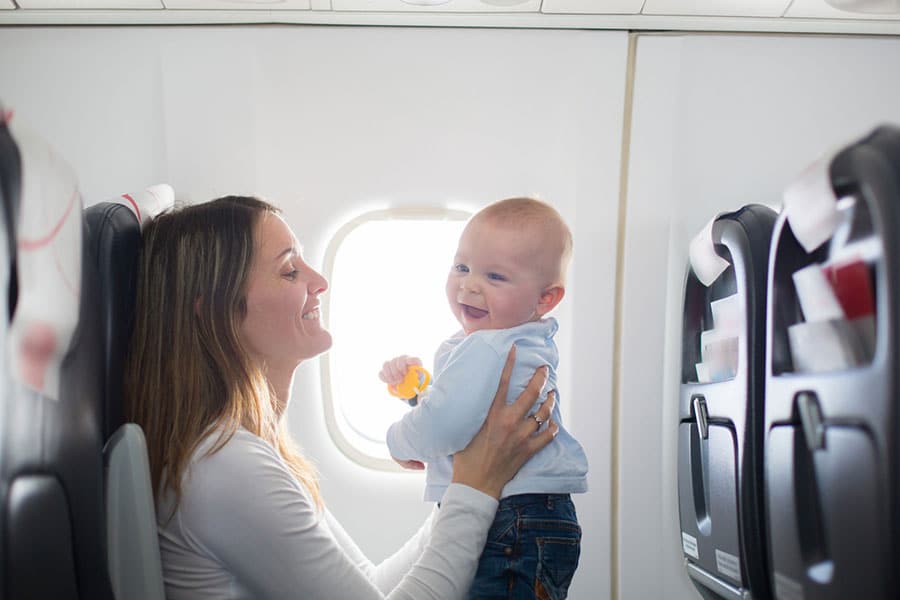
Traveling can be very exciting, but flying with a baby, a dog, or elderly family members adds a whole new layer of planning. Each brings unique needs, from diaper changes and feeding schedules to mobility assistance and pet travel regulations.
Last week’s blog covered flying with seniors, honeymooners, and solo adventurers. This week, we’re focusing on three groups that require a bit more preparation: babies, dogs, and grandparents. With the right approach, flying with all three can be far less stressful—and even enjoyable, especially when you book your DTW airport parking well in advance.
Flying With a Baby & Staying Prepared
Flying with a baby can feel unpredictable. Will they sleep peacefully or cry the entire flight? The truth is, it can go either way—but preparation makes all the difference.
Age & Travel Readiness
While many airlines allow infants as young as one to two weeks old to fly, pediatricians often recommend waiting until at least two months of age. By then, babies typically have stronger immune systems and may be less prone to fussiness.
What You’ll Need
Before heading to the airport, make sure you have:
- A ticket (lap infant or separate seat)
- Passport for international travel
- Birth certificate (as proof of age)
- Consent letter if traveling alone internationally
Purchasing a separate seat and using an FAA-approved car seat can make the flight safer and more comfortable—for both you and your baby.
Managing Ears & Comfort
Changes in cabin pressure can be uncomfortable for babies. Since they can’t chew gum or yawn on command, feeding during takeoff and landing can help.
- Breastfeed or bottle-feed during ascent/descent
- Use a pacifier if they’re not hungry
Keep in mind, swallowing helps relieve pressure during altitude changes.
Pack More Than You Think
When flying with a baby, overpacking is smart packing.
Bring:
- Extra diapers, wipes, and clothes (for both of you)
- Bottles, formula, or breast milk
- Blankets and burp cloths
- Toys and books for entertainment
Flight delays happen—and having double what you need can save the day.
Flight & Boarding Tips
- Book direct flights when possible to reduce ear pressure episodes
- Use pre-boarding to get settled early
- Or board last if your baby is restless
Also, take advantage of gate-checking for strollers and car seats—it makes navigating the airport much easier.
Flying With a Dog & Reducing Stress
Traveling with your dog may seem intimidating, but it’s more common than you might think. The U.S. Department of Transportation offers these tips to follow regarding flying with your pet.
With proper planning, your dog can travel safely and comfortably.
Choose the Right Airline
Not all airlines treat pet travel the same way. Some allow small dogs in the cabin, while others require pets to travel in cargo—or don’t allow them at all. Be sure to:
- Review airline pet policies carefully
- Confirm size, breed, and weight restrictions
Short-nosed breeds (like bulldogs and pugs) may face additional limitations due to breathing risks.
Visit the Vet First
A quick vet visit can prevent major travel issues later. Before booking your flight:
- Schedule a vet checkup
- Obtain a health certificate (often required within 10 days of travel)
Get the Right Carrier
Your dog’s carrier is critical for safety and comfort. Most airlines have strict size requirements, and the carrier must allow your dog to:
- Stand
- Turn around
- Lie down comfortably
Acclimate Your Dog
Don’t wait until travel day to introduce the carrier. The goal is to make the carrier feel like a safe space.
- Let your dog spend time in it at home
- Add familiar items like toys or bedding
- Feed them in the carrier to build positive associations
Plan Meals & Timing
Avoid feeding your dog right before the flight.
- Feed them about two hours before departure
- Allow time for bathroom breaks
- Bring chew toys to help relieve ear pressure
Arriving early at the airport gives you time to handle paperwork, check-in, and last-minute needs without rushing.
Flying With Grandparents & Keeping It Smooth
Traveling with elderly family members requires thoughtful planning—but it can be incredibly rewarding.
Whether your grandparent has mobility challenges or simply needs extra time, preparation ensures a smoother experience.
Plan Ahead & Know the Details
Before your trip, research:
- Seating arrangements
- Accessibility features
- Storage for mobility devices
Airlines are required to provide accommodations under the Air Carrier Access Act, but it’s best to arrange these in advance. Preparation is the key to stress-free travel with seniors.
Request Assistance Services
Airlines offer a range of services, including:
- Wheelchair assistance
- Help with boarding and connections
- Escort passes for companions
Even seniors who don’t regularly use a wheelchair may benefit from airport assistance due to long distances.
Address Health Considerations
Before traveling:
- Consult a doctor about any health concerns
- Bring documentation of medical conditions
- Pack medications properly
All medications should be:
- In original packaging
- Clearly labeled
- Stored in carry-on luggage
Navigate Security Smoothly
Security screening can feel overwhelming, but there are accommodations:
- Inform TSA agents of medical conditions
- Mobility devices will be screened
- Passengers 75+ may qualify for expedited screening
Being prepared helps reduce stress and delays.
Choose the Right Flight
Flight selection matters more than you might think.
Consider:
- Time of day (when your grandparent feels best)
- Direct flights to reduce fatigue
- Aisle seats for easier access
Bringing It All Together
Flying with babies, dogs, and grandparents may seem like a logistical challenge—but with thoughtful planning, it becomes much more manageable.
Each group has different needs:
- Babies require comfort, feeding, and flexibility
- Dogs need preparation, documentation, and acclimation
- Grandparents benefit from accessibility, timing, and assistance
What they all have in common is this: they rely on you to plan ahead.
Shared Experiences to Cherish
Travel isn’t just about getting from point A to point B—it’s about sharing experiences with the people (and pets) you love. By anticipating needs, allowing extra time, and staying flexible, you can turn what might feel like a stressful journey into a smooth and memorable experience.
Contact Valet Connections DTW Parking
Ready to schedule DTW parking to make your next trip with babies, pets or grandparents smoother? Contact us at (734) 992-4946 today.